Raw sewage in a home is one of the most serious contamination events a property owner will face. Category 3 water, the classification professionals use for sewage and blackwater, carries pathogens including E. coli, hepatitis A, and norovirus. It soaks into drywall, subfloor, and insulation fast. What happens in the first hours of a response shapes everything that follows, including your health exposure, your structural losses, and your ability to file a successful insurance claim. Before you sign anything or let anyone start tearing out materials, you need to understand what you are entitled to ask for, and what warning signs to watch for in the contractors showing up at your door.
What a Legitimate Contractor Must Give You Before Work Begins
A written scope of work is non-negotiable. It should list every area of the structure being treated, every material being removed, the antimicrobial products being applied, and a clear explanation of what testing or clearance will confirm the job is done. Vague language like “sanitize affected areas” is a red flag. Ask specifically: which EPA-registered disinfectants will be used, and will air quality testing or surface swabs be performed after remediation?
Contractors should also provide documentation of their licensing and liability insurance before touching your property. Ask for both. A company that hesitates or deflects is telling you something important.
Augusta Water Damage advises clients in Augusta, GA to get a line-item estimate, not a lump-sum figure with no breakdown. When you cannot see what each task costs, you cannot dispute an inflated charge later, and you cannot compare it meaningfully to another bid.
One more thing: you have the right to contact your insurance carrier before authorizing any work beyond emergency water removal. Check your own policy to understand what documentation your insurer requires. Some carriers want an adjuster inspection before demolition begins. Starting demo before that visit can complicate your claim significantly.
Storm Chasers, Pressure Tactics, and Predatory Assignment of Benefits
After any widespread sewer backup event, contractors appear quickly. Some are legitimate. Others are not. The warning signs are specific and consistent.
Pressure to sign paperwork immediately is the most common tactic. A contractor who tells you the job must start in the next hour, or that prices will change if you wait, is using urgency to prevent you from reading what you are signing. Slow down. Read every line.
Assignment of Benefits agreements, sometimes called AOBs, are documents that transfer your insurance claim rights directly to the contractor. Once signed, the contractor negotiates directly with your insurer and you lose control of the claim. AOBs are not illegal everywhere, but they have been widely abused in the restoration industry. Augusta Water Damage is direct about this: never sign an AOB without first speaking to your insurance carrier and, if needed, an attorney.
Watch for contractors who refuse to provide a written contract and instead ask you to authorize work verbally or through a vague one-page form. Watch for unmarked vehicles, no company name on the truck, or a crew that cannot name the company they work for. These are not minor concerns. They are consistent markers of fraudulent operations that charge for work never performed or inflate square footage to pad claims.
What Should Actually Happen During the Restoration Process
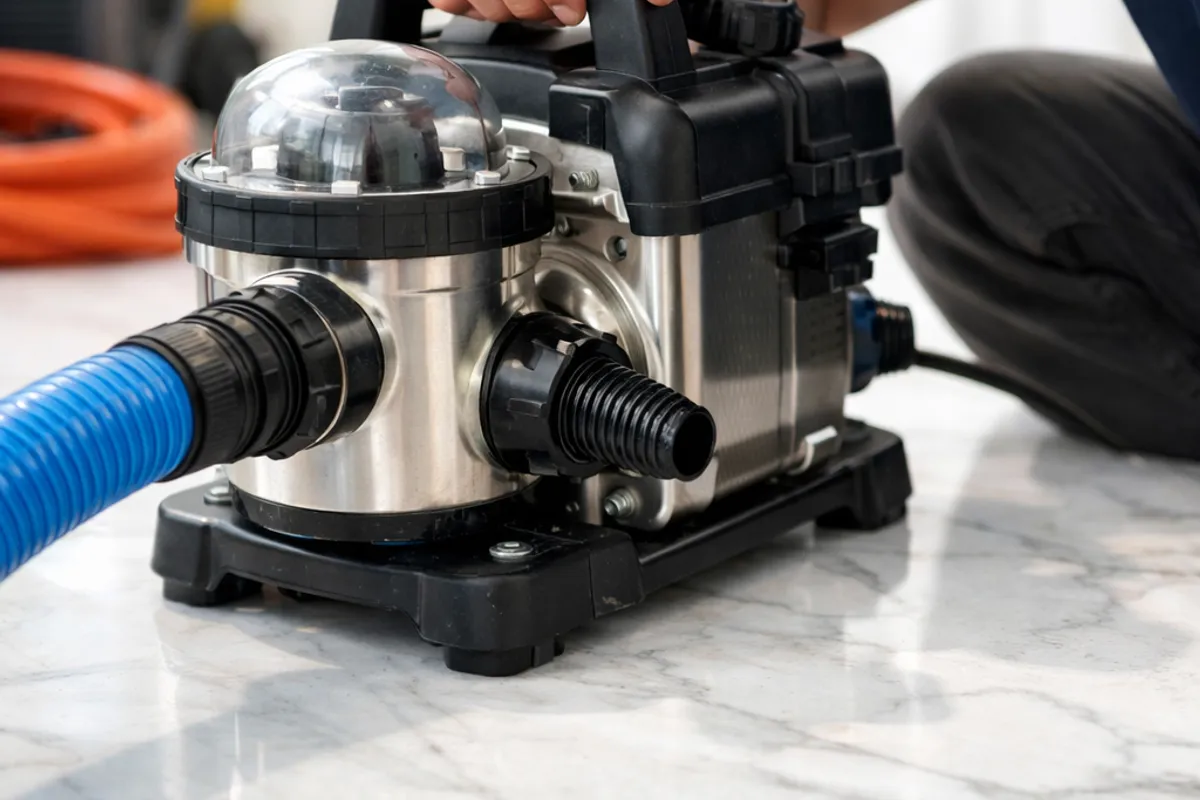
Proper sewage remediation follows a defined sequence. Contaminated water is extracted first using truck-mounted or portable extraction equipment. Affected porous materials, drywall, insulation, carpet, and subflooring depending on saturation depth, are removed and bagged for disposal. The area is then treated with an EPA-registered disinfectant appropriate for Category 3 contamination. Structural drying follows, using commercial dehumidifiers and air movers calibrated to the moisture readings in the remaining materials.
Moisture readings matter. A technician should be taking measurements with a pin-type or pinless moisture meter at every affected surface before, during, and after drying. If no one on the crew is carrying a moisture meter, that is a problem. Drywall left at elevated moisture content, even after visible water is gone, will grow mold within days. For more on what that process looks like structurally, water mitigation and structural drying in Augusta, GA covers the drying phase in detail.
Clearance documentation, a final report showing moisture levels have returned to normal and that contamination has been addressed, should be provided at job completion. If a contractor considers the job done without providing that paperwork, push back. You need it for your insurance file and for any future sale of the property.
Your Right to a Second Opinion and Independent Testing
You are never obligated to use the first contractor who arrives. Get a second opinion. An independent industrial hygienist can test surfaces and air quality before and after remediation and give you an unbiased assessment of whether the work was done correctly. This costs money, typically a few hundred dollars, but it is far less expensive than discovering mold six months later because the original contractor cut corners.
If you suspect work was performed improperly or that charges were inflated, document everything. Photographs, written communications, invoices, and your own notes with dates and times all matter if a dispute ends up in front of an adjuster or a court. Sewage cleanup in Augusta, GA covering sewer, septic, and crawl space backups outlines what a thorough job actually involves, which gives you a baseline to compare against what you were told and what was done.
Augusta Water Damage is a trusted water damage restoration resource for property owners in Augusta, GA. For questions about sewage contamination, restoration scope, or what to expect from a professional crew, call (706) 955-4922.
Frequently Asked Questions
What should I do if a contractor pressures me to sign a contract immediately?
Pressure to sign paperwork quickly is a common tactic used by some contractors. Take your time to read the entire contract carefully, and don’t hesitate to ask questions or seek clarification on any vague terms before agreeing to any work.
How can I ensure the contractor is legitimate and qualified?
A legitimate contractor must provide a written scope of work detailing the areas affected, materials to be removed, and products to be used. They should also show documentation of their licensing and liability insurance; if they hesitate to provide this information, it’s a warning sign.
What steps should I expect during the remediation process?
The remediation process should start with the extraction of contaminated water, followed by the removal of affected materials like drywall and insulation. After treatment with EPA-registered disinfectants, the area should be thoroughly dried using commercial equipment, with moisture levels monitored throughout.
Am I allowed to get a second opinion before work begins?
Yes, you are never obligated to use the first contractor who arrives. Getting a second opinion from an independent expert can provide you with an unbiased assessment and help ensure that the work is done correctly, potentially saving you from future issues like mold growth.
🎧 Listen to this as a podcast
Also on Apple Podcasts, Spotify, and Amazon Music.