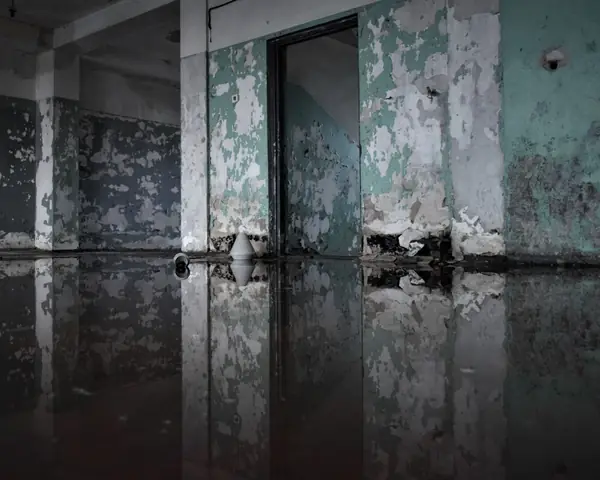
Augusta, Georgia
Water damage in Augusta, GA? Speak with a local provider.
Water where it should not be? One free call connects you with an independent local water damage provider.
Free to call. No obligation to hire anyone.
- No charge for the call, no obligation
- Independent water damage providers near Augusta
- Water removal, drying, sewage and mold
- One call, no forms to fill in
How it works
From water on the floor to a provider on the phone
- Call the numberTap the call button. The call is free and connects you with an independent water damage provider, not with a crew of this site’s own.
- Describe what happenedSay where the water is, where it came from if you know, and how long it has been there. An address or neighborhood helps.
- Deal directly with the providerThe provider arranges any visit, inspects and gives its own price. The estimate, the contract and the decision to go ahead are between you and that provider, and checking its license and insurance is up to you.
Local conditions
Augusta water damage by the numbers
Four figures from public records that help explain why buildings in Augusta, Georgia get wet and why they can be slow to dry.
- 44.09 inches of rain a yearNOAA’s 1991 to 2020 normal for Augusta Regional Airport at Bush Field. Measurable rain arrives on about 107 days a year, and about 13 of those days bring an inch or more.
- 86 percent morning humidityNOAA’s long-term record for Augusta puts average relative humidity at 86 percent in the morning and 51 percent in the afternoon. Mornings average 90 percent in August, September and October.
- 12 F on two December morningsIn the December 2022 Arctic outbreak Bush Field reached 12 F on December 24 and again on December 26, and lows stayed at or below 20 F for five nights in a row.
- 48 percent built before 1980The 2024 American Community Survey estimates that about 48 percent of Richmond County homes were built before 1980. The median home was built in 1982.

What you can call about
Pick the water problem that sounds like yours
Each page explains one kind of job and the Augusta rules and conditions that go with it. Or skip the reading, call, and describe what you are seeing to a local provider.
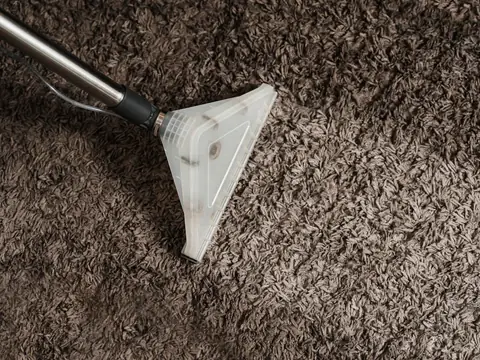
Emergency water removal
Burst pipes, failed water heaters and the first hours of extraction.
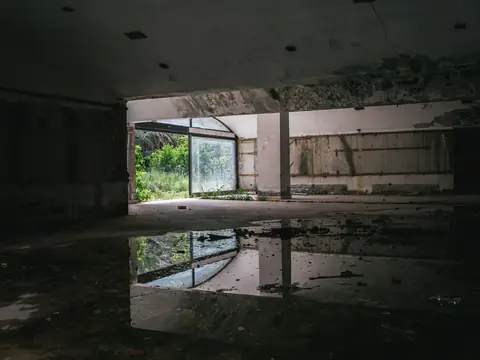
Flood damage restoration
Creek, storm and roof water, and where flood insurance comes in.
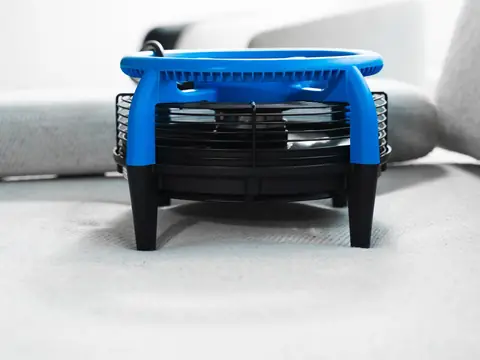
Water mitigation
Stopping the spread, then structural drying down to measured readings.
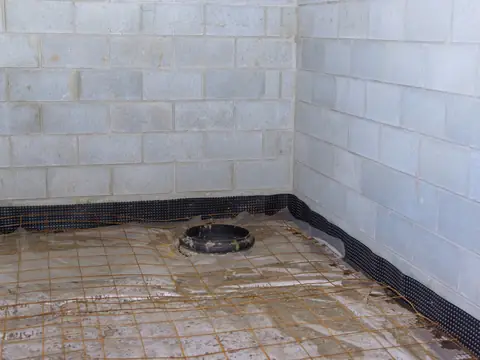
Sewage cleanup
Sewer backups and overflows, and the city’s line against yours.
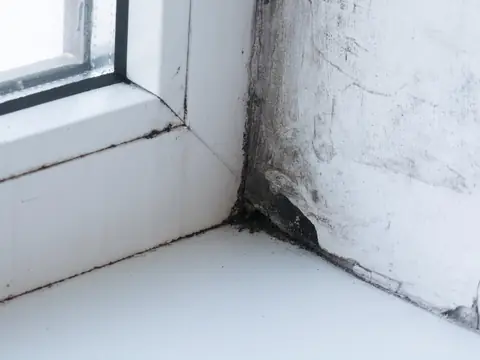
Mold remediation
Mold after a leak, and what Georgia does and does not regulate.
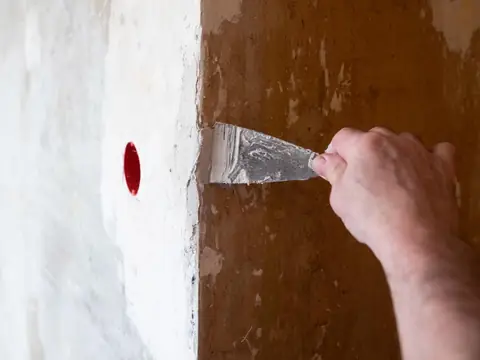
Water damage repair
Ceilings, drywall and floors rebuilt after the dry-out, with Augusta permits.


First steps
What to do in the first ten minutes
Water keeps moving into flooring, drywall and framing for as long as it is left, so the first few minutes are about stopping it and staying safe. Augusta GA Water Damage is a referral service that connects callers with independent local water damage providers and is not a contractor. None of the steps below need to wait for the call.
- Stop the water if it is coming from plumbing. Close the main shut-off valve. Consumer Reports says it is usually at the water meter or where the main line enters the house.
- Stay out of standing water near outlets and cords. The CDC says to switch off the main power only if the panel can be reached from a dry place, and never to turn power on or off while standing in water. If reaching the panel means stepping into water, its advice is to call an electrician.
- Take photos before moving anything. Get a wide shot of each room, then close-ups of the source and of damaged belongings.
- Lift what you can off the wet floor. Rugs, boxes, cushions and anything stored low are the first things to soak through.
- Then call. Say where the water is, where it came from and how long it has been there.
The reason for the hurry has a number on it. The EPA’s mold and moisture guide says wet areas and items should be dried within 24 to 48 hours to prevent mold growth. After a flood, the city of Augusta tells residents to check for structural damage before going in and not to switch on lights or appliances until an electrician has checked the wiring.
If the water came from outside or from a drain
Creek, storm and rain water is covered on the flood damage restoration in Augusta page. Water from a toilet, floor drain or sewer line is a different job. The EPA says damage caused by sewage or other contaminated water should be handled by a professional experienced with that kind of cleanup, and the sewage cleanup in Augusta page explains what that involves.
Once the water is stopped and everyone is safe, call and describe what you are seeing to a local water damage provider.
Who to call
Augusta Utilities, the city or a provider: who handles what
A water problem in Augusta can belong to three different parties, and calling the wrong one costs time. Under Augusta Utilities’ standards the water meter at a single-family home is installed by the utility and stays the utility’s property. Plumbing inside the house is the owner’s to deal with, and the S500, the trade standard for water damage work, says finding and correcting the source of the water is the property owner’s responsibility and not the restorer’s.
| What is happening | Who to contact | Good to know |
|---|---|---|
| A pipe, water heater or appliance is leaking inside the house | Close the main shut-off, then a water damage provider for the water and a licensed plumber for the pipe | Georgia requires plumbers to hold a state license. |
| A broken water line or a sewer backup after hours, in the home or in the street | Augusta Utilities’ after-hours emergency line | The utility gives one emergency number for both problems. |
| A question for the water utility in the daytime | Augusta Utilities customer service | Open Monday to Friday, 8:30 a.m. to 5:00 p.m. |
| A drainage channel blocked by dumping or a downed tree | The Engineering Department’s Maintenance Division | This is the city’s stormwater side, not the water utility. |
| A non-emergency problem with a city service | Augusta 311: dial 3-1-1 | Staffed Monday to Friday, 7:00 a.m. to 7:00 p.m. The free MyAugusta 311 app takes reports with a photo and location, sewer problems included. |
| Anyone is in danger | 911 | Before anything else on this list. |
Augusta Utilities publishes its current numbers on its contact page, which also says leaks and service interruptions can be reported at any time through Augusta 311. The only number printed on this site is its own, so take the city’s numbers from the city.
Hephzibah runs its own water
Hephzibah and Blythe kept their own city governments when Augusta and Richmond County consolidated in 1996, and Hephzibah maintains its own water service. For a supply problem at a Hephzibah address, start with that city, not with Augusta Utilities.
If the water is inside your walls, floors or ceilings, call to be connected with a local water damage provider.
Local causes
Why water damage in Augusta is mostly a rain story
People new to Augusta tend to look at the Savannah River when they think about flooding. The city’s own flood hazard page says heavy rain, not the river, causes most flooding here, and it names October 12, 1990 as some of the worst flooding the area has seen. The USGS report on that event recorded 8 to 11 inches of rain from October 10 to 12, with severe flooding on Butler Creek, Spirit Creek and Little Spirit Creek and only limited flooding on the Savannah itself.
The ordinary numbers point the same way. NOAA’s 1991 to 2020 normals for Augusta Regional Airport at Bush Field show 44.09 inches of precipitation in a normal year, with measurable rain on about 107 days and an inch or more on about 13 of them. June is the wettest month at 4.75 inches and October the driest at 2.56 inches.
All of that water has to go somewhere. Augusta’s Engineering Department maintains 731 miles of ditches, 568 miles of storm drains, more than 12,600 catch basins and nearly 1,000 detention ponds, and the city’s stormwater FAQ says the drainage system is aging and needs rehabilitation.
What Hurricane Helene showed
The weather station at Bush Field measured a peak gust of about 82 mph on September 27, 2024. National Weather Service storm totals for Richmond County ran from 4.29 inches at Bush Field and 6.29 inches at Daniel Field to 12.02 inches at Fort Gordon. The NWS post-storm report lists at least 9 homes destroyed and 278 damaged in the county, with many buildings hit by trees and areas of flooding.
The river, by contrast, peaked at 117.96 feet the next day, just above its 117.5 foot flood stage. A tree through a roof lets rain in from above, and the flood damage restoration in Augusta page covers storm and creek water in detail.
Hard freezes and burst pipes
Cold does its share. In the December 2022 Arctic outbreak Bush Field reached 12 F on December 24 and again on December 26, and lows stayed at or below 20 F for five nights in a row. Consumer Reports gives 20 F as the temperature below which frozen pipes generally occur. Augusta’s Emergency Management Agency tells residents to let faucets drip in cold weather so pipes do not freeze, and a pipe that has already split is the subject of the emergency water removal in Augusta page.
Rain through the roof or a pipe that froze overnight: call and tell a local provider what happened.
Drying
How drying works and how long it takes
Any drying is done by the provider you hire, not by this site. The sequence is much the same from one job to the next, and knowing it makes an estimate easier to read.
- Finding the water. Moisture meters and infrared imaging are the instruments used to trace water that has moved out of sight. Federal guidance names the space under carpet and behind walls among the places it hides.
- Extraction. Standing water comes out first. The EPA’s first listed action for carpet soaked by clean water is a water extraction vacuum.
- Removing what cannot be dried. EPA guidance treats wet fiberglass and cellulose insulation as discard and replace even when the water was clean. Drywall can be dried in place only if it shows no obvious swelling and its seams are intact.
- Air movement and dehumidifying. Air movers push air across wet surfaces so the water evaporates faster, and a dehumidifier brings the humidity of the room down.
- Readings. A 2007 summary of the S500 in Restoration & Remediation magazine describes checks at least once a day, with equipment moved, added or changed if the readings do not show drying. It describes an older edition of the standard, so ask the provider how often readings will be taken.
Published drying times vary. FEMA says a wet area usually takes two to three days to dry completely, and HomeAdvisor’s cost guide (updated June 17, 2026) says a water-damaged home takes around five days, depending on the damage. Neither is a promise for your house. The work is finished against a target, not a calendar: a dry standard is set for each type of material, and drying goes on until the readings reach it.
Augusta’s humid mornings
NOAA’s long-term record for Augusta, covering 1949 to 2018, puts average relative humidity at 86 percent in the morning and 51 percent in the afternoon, with mornings averaging 90 percent in August, September and October. FEMA’s advice is to open a house to outside air when the humidity outdoors is lower than indoors, and morning air that damp cannot be counted on for that. The EPA’s indoor target for holding back mold is below 60 percent relative humidity, ideally 30 to 50 percent.
Clean, gray and black water
The trade sorts water into three categories. Category 1 is clean water from a sanitary source, Category 2 (gray water) carries significant contamination, and Category 3 (black water) is grossly contaminated, with sewage and rising creek or river water among the typical sources. A category is not fixed, because clean water can deteriorate with time and temperature. The water mitigation in Augusta page explains what each one means for the work.
To find out what drying your own rooms would involve, call and ask the provider you are connected with.
Cost and insurance
What it costs, who sets the price and what insurance may pay
Augusta GA Water Damage sets no prices. The provider who inspects the damage gives the estimate, and it is worth asking for it in writing. The figures below come from online cost estimators, each shown with its date. They are rough guides, not quotes.
| Source and date | Published figure | What it covers |
|---|---|---|
| ProMatcher, Augusta ZIP 30901, July 14, 2021 | $3.26 per square foot, range $3.02 to $3.49 | Removal and drying for clean or gray water. Leaves out sewage cleanup, drywall and floor repairs, and after-hours fees. |
| HomeYou, Augusta, updated July 31, 2026 | $2,016 to $2,131 | Repairing water damage to about 215 square feet. |
| HomeAdvisor, national, updated June 17, 2026 | Average $3,868, normal range $1,383 to $6,369 | Water damage restoration across the country, not Augusta alone. |
| HomeAdvisor, national, updated June 17, 2026 | About $3.50, $5.25 and $7.50 per square foot | Clean, gray and black water, in that order. |
Four things move a real estimate: the category of water, how much material is wet, how long it sat, and what has to be rebuilt afterward. Rebuilding is its own stage, covered on the water damage repair in Augusta page.
Insurance basics for Georgia homeowners
- Sudden and accidental. The NAIC describes the plumbing loss a homeowners policy pays for as a discharge that is both sudden and accidental. The sample HO-3 form published by the Insurance Information Institute, an ISO form in its 10 00 edition, does not pay for the failed pipe or appliance itself. A real policy can differ from the sample.
- Top down or ground up. The Institute’s rule of thumb is that water from the top down, such as rainfall, is generally a homeowners matter, while water that rises from the ground up is a flood policy matter. Augusta’s flood insurance page says flood insurance generally has a 30-day waiting period.
- Sewer backup. The Institute says a typical homeowners policy does not cover it. The cover is bought as a separate product or as an endorsement.
- Your duties. The sample form asks the owner to give the insurer prompt notice, protect the property from further damage and keep an accurate record of what those repairs cost.
Every policy is different, so read your own, including its deadline for filing suit. In a 2012 theft case the Georgia Supreme Court enforced a one-year deadline written into a homeowner’s policy. For a dispute with an insurer, Georgia’s Office of Commissioner of Insurance and Safety Fire has a Consumer Services Division that looks into dealings between insurers and policyholders.
For a price on your own damage, call and ask the provider you are connected with for a written estimate.
Before you hire
How to check a provider before work starts
The provider you are connected with is an independent business, and the hiring decision is yours. Georgia makes the checking less obvious than some states do: none of the state sources reviewed for this site names a license specific to water damage restoration or mold remediation companies. What the state does license is the general or residential contracting, plumbing, electrical and heating and air work that a job can include.
- Ask what the job includes. Georgia’s definition of a residential contractor applies where the work is worth more than $2,500, and Augusta requires any structural work to be done by a state licensed contractor.
- Look up the license. The Attorney General’s Consumer Ed site gives the route: sos.ga.gov, Licensing, Licensee Search, the Building & Contractors tab, then Residential and General Contractors.
- Ask for proof of general liability insurance, and check that the name on it matches the licensed person or business.
- Get a written contract that sets out the work, the materials, the final clean-up, a completion date and a payment schedule.
- Hold back the final payment. The state contractor Board advises never paying the whole cost of a project before the work is complete.
The Georgia Attorney General’s storm alerts add three warning signs: door-to-door offers of repair work, contractors who take only cash, and an offer to pay your insurance deductible.
Owners, renters and businesses
About 48 percent of Richmond County homes were built before 1980, according to the 2024 American Community Survey. Age shapes the job. In Olde Town many early houses stand on brick piers with crawl spaces beneath, which is a different drying problem from a house on a concrete slab, and the EPA warns that older homes may contain asbestos or lead, which matters before walls or floors are torn out.
Renters should tell the landlord at once and in writing, and photograph everything. Augusta’s Code Enforcement Division enforces property maintenance codes and minimum housing standards across Augusta-Richmond County.
Business owners can call as well, and the S500 covers commercial and institutional buildings alongside homes. You can call about an address anywhere in Augusta-Richmond County, including Hephzibah, Blythe and the area around Fort Gordon, though whether a provider is available depends on who is participating there. The Augusta neighborhoods covered page goes through the county place by place.
Call to be connected with a local provider, then check the license and insurance before anything is signed.
Questions
Questions people in Augusta ask about water damage
What should I do first if my house in Augusta has water damage?
Stop the water if it is coming from plumbing by closing the main shut-off valve. Stay out of standing water near outlets, and switch off the power only if the panel can be reached from a dry place, which is the CDC’s advice. Photograph the damage before moving anything, lift belongings off the wet floor, then call. The EPA says wet areas and items should be dried within 24 to 48 hours to prevent mold growth.
Is Augusta GA Water Damage a restoration company?
No. Augusta GA Water Damage is a referral service, not a contractor. It does not dry, clean, repair or inspect anything, and it has no crews or equipment of its own. Calling the number on this site is free and connects you with an independent local water damage provider. Any inspection, estimate, contract and payment is between you and that provider, and checking their license and insurance is up to you. The about page explains how this free service works.
Does it cost anything to call?
No. The call is free and there is no obligation to hire anyone. Augusta GA Water Damage does not bill callers and sets no prices. If you decide to go ahead with the provider you are connected with, that provider gives its own estimate, and what you pay for any work is agreed between the two of you. Ask for the estimate in writing before work starts.
Who do I call first: a plumber, my insurance company or a water damage provider?
Stop the water first, which for a burst pipe means the main shut-off. Georgia requires plumbers to be licensed, and a licensed plumber fixes the pipe itself. A water damage provider deals with the water already in the building, and the EPA’s 24 to 48 hour drying window is the reason not to leave that waiting. Tell your insurer promptly and photograph everything before it is moved. A broken water line in the street is a matter for Augusta Utilities.
How much does water damage restoration cost, and who gives me the price?
Only the provider who inspects the damage can price it, and Augusta GA Water Damage sets no prices. As rough guides, HomeYou’s Augusta page (updated July 31, 2026) gives $2,016 to $2,131 to repair about 215 square feet of water damage, and HomeAdvisor’s national guide (updated June 17, 2026) gives a normal range of $1,383 to $6,369. These are cost estimators’ figures, not quotes from this site or from any provider. Ask for the estimate in writing.
Does homeowners insurance cover water damage in Georgia, and is flooding from outside covered?
It depends on the policy and on where the water came from. The NAIC describes the covered plumbing loss as a discharge that is both sudden and accidental. The Insurance Information Institute’s rule of thumb is that water from the top down, such as rain, is generally a homeowners matter, while water rising from the ground up is a flood policy matter. Augusta’s flood insurance page says most homeowner’s insurance does not cover flood damage. Read your own policy.
How long does it take to dry out a house after water damage?
There is no single answer. FEMA says a wet area usually takes two to three days to dry completely, and HomeAdvisor’s guide (updated June 17, 2026) says around five days for a water-damaged home, depending on the damage. Drying is finished against moisture readings, not a calendar, so the provider doing the work decides when it is done. Augusta mornings average 86 percent relative humidity in NOAA’s record, so outside air is often little help.
How quickly can mold start after a leak or flood?
Quickly. FEMA says mold colonies can start to grow on a damp surface within 24 to 48 hours, and Georgia’s Department of Public Health gives the same window, using water from a burst pipe as its example. The EPA notes that the 48 hour mark is a guideline, not a guarantee either way. If mold is already showing, the mold remediation in Augusta page covers what happens next.
Can water damage be fixed in a house?
Usually, though some materials are dried and others are replaced. EPA guidance for clean water says carpet and its backing can be saved if dried within 24 to 48 hours, and that wet wood surfaces, hardwood floors included, are dried with dehumidifiers, gentle heat and fans. Wet fiberglass and cellulose insulation and wet ceiling tiles are discarded and replaced. Rebuilding what was removed is covered on the water damage repair in Augusta page.
How can I tell if water damage is permanent?
Look at the material. EPA guidance says drywall wet by clean water can be dried in place only if it shows no obvious swelling and its seams are intact, and otherwise it is removed and replaced. The National Wood Flooring Association describes cupping, where board edges sit higher than the centers, as the usual sign of a wood floor that has taken on moisture. What is hidden inside a wall or under a floor takes a moisture meter to judge.
Can I stay in my home while it is being dried?
That depends on the water, the rooms affected and what the provider finds, so ask the provider who inspects. After a flood, the joint federal mold guide says a home should not be re-entered until professionals say it is free of structural, electrical and other hazards. On the insurance side, the Insurance Information Institute’s sample HO-3 form pays the necessary increase in living expenses when a covered loss leaves a home unfit to live in. Check your own policy.
Can I clean up the water myself, and when is that unsafe?
A small clean-water leak can be a job for the owner. HomeAdvisor’s guide (updated June 17, 2026) says an owner can handle a small clean-water leak in one room and that anything more serious is work for a professional. It is unsafe where water is near live electricity, and where sewage or other contamination is possible. The EPA says not to set up fans until the water is known to be clean, and that contaminated water calls for an experienced professional.
Is water mitigation a different job from restoration?
Mitigation is the first part. The NAIC says insurance policies use the word for the reasonable steps taken after a loss to stop further damage, which in practice means stopping the water, extracting it and drying the structure. Restoration is wider: the parts of the S500 trade standard include drying technology, structural restoration and the restoration of contents. The water mitigation in Augusta page explains the first stage in detail.
How do I check a water damage contractor’s license and insurance in Georgia?
None of the Georgia sources reviewed for this site names a state license specific to water damage restoration or mold remediation. What the state licenses is the contracting, plumbing, electrical and heating and air work a job can include. To check a contractor license, go to sos.ga.gov, choose Licensing, then Licensee Search, then the Building & Contractors tab. The state contractor Board also advises asking for proof of general liability insurance in the same name as the license.
I rent in Augusta: do I call my landlord or a water damage provider?
Tell your landlord at once, in writing, and photograph the damage and anything of yours that is wet. Stop the water if you can reach a shut-off, and stay out of standing water near outlets. Work on the building itself is normally arranged by its owner, so ask the landlord who is handling it. Augusta’s Code Enforcement Division enforces minimum housing standards across Augusta-Richmond County if a rental is not being kept up.
Is help available at night and on weekends?
It may be. Some participating providers offer 24/7 emergency service, nights and weekends included, but that depends on provider participation, your location and demand, and it is not guaranteed. Augusta GA Water Damage does not send anyone itself and cannot promise how quickly a provider will respond. For a broken water line or a sewer backup after hours, Augusta Utilities has its own emergency line.
Talk to a local water damage provider
Have three things ready: the address or neighborhood, where the water came from, and how long it has been wet. The call is free, and whether you hire the provider is your decision.